The global cryptocurrency market continues to experience heightened volatility and shifting investor sentiment, with notable price movements, regulatory discussions, and emerging trends shaping the landscape.
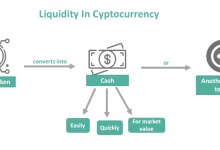


In recent trading sessions, prominent digital assets like Bitcoin, Ethereum, and major altcoins have shown mixed performance, underscoring the fragile state of risk assets in a broader macroeconomic environment.
Bitcoin and Major Cryptocurrencies: Market Performance
On Thursday, March 26, 2026, the crypto market experienced significant downward pressure, marked by sharp sell-offs across top digital assets. The five largest cryptocurrencies experienced sizable losses, led by Bitcoin’s decline in price.
Bitcoin, the most widely recognized digital asset, continues to trade with downward momentum amid broader risk-off sentiment across global markets. Recent reports show that Bitcoin’s price dropped noticeably, contributing to a broad retreat among other leading tokens. Meanwhile, altcoins such as XRP and Solana have also been trading lower within recent 24-hour periods, reflecting this trend of selling pressure across crypto markets.
This volatility has kept traders and investors on alert, with many market participants closely watching support and resistance levels for signs of stabilization or further declines.
Macro Influences and Investor Sentiment
One of the main forces impacting cryptocurrency prices has been the shifting macroeconomic backdrop. Rising inflation data in the United States has renewed concerns about tighter monetary policy, particularly high interest rates that can reduce the appeal of high-risk assets such as cryptocurrencies.
These macroeconomic pressures have influenced investor risk appetite, with traders rebalancing portfolios away from digital assets in favor of perceived safe-haven instruments or cash holdings. The market’s response to inflation and monetary policy developments illustrates how sensitive crypto assets remain to broader economic indicators, even as blockchain adoption continues to advance.
Regulatory and Institutional Trends
Beyond price movements, regulatory developments continue to be a key focal point for the crypto sector. The European Union’s Markets in Crypto-Assets (MiCA) regulation establishes a comprehensive framework for crypto-asset markets across EU member states, aiming to improve investor protection and reduce systemic risks within the European digital asset ecosystem.
Meanwhile, institutions and financial services firms are expanding their crypto offerings. Major payment platforms and banks are increasingly integrating crypto services, enabling business accounts to buy, sell, and hold digital assets directly. These moves aim to deepen mainstream adoption and bridge traditional finance with blockchain-based technologies, though the pace of institutional uptake remains uneven.
Sector Narratives and Meme Coin Activity
One of the most talked-about segments of the crypto market remains meme coins and social-driven tokens. These assets often experience rapid, speculative price surges based on community sentiment rather than fundamental utility. The proliferation of meme cryptos has been a defining feature of recent market behavior, attracting both amateur traders and social media-driven speculation.
However, this sector is not without controversy. Past incidents involving meme coins have led to regulatory scrutiny and public debate about investor protections. High-profile cases have seen meme token promotions result in massive price swings, highlighting the risks inherent in these speculative assets.
Although there are no major scandals dominating headlines in the past 48 hours, traders continue to watch these markets closely due to their potential for outsized gains — and losses.
Technological Progress and Blockchain Use Cases
While market price action frequently dominates headlines, technological progress in blockchain applications and real-world use cases continues to advance behind the scenes. Blockchain technology is not just about price speculation — it has tangible applications in financial infrastructure, supply chains, digital identity, and decentralized finance (DeFi).
The diverse use of blockchain in enterprise and institutional settings supports the long-term narrative that digital assets may play a structural role in future financial systems. Developers and companies worldwide continue to build scalable decentralized networks, enhancing the industry’s credibility and adoption.
Risks and Challenges Ahead
Despite technological momentum, challenges persist. Regulatory uncertainty in many major markets remains a deterrent for some institutional players and retail investors. Misleading market narratives, sudden sell-offs, and high-profile losses can dampen confidence, leading to heightened fear and reduced liquidity in times of volatility.
The interplay between regulatory decisions, macroeconomic data, and investor behavior creates a complex environment requiring careful navigation. Cryptocurrency markets are known for rapid sentiment swings, and sudden news events — whether policy announcements or institutional developments — can trigger large price movements in minutes rather than days.
Market Outlook
Looking ahead, analysts emphasize that cryptocurrency markets remain highly cyclical, influenced by macroeconomic performance, regulatory shifts, and evolving investor sentiment. Some argue that periods of downturn may lay the groundwork for future growth, citing historical crypto cycles where consolidation phases preceded renewed bullish trends.
Longer-term forecasts for major cryptocurrencies such as Bitcoin and Ethereum vary widely. Some experts remain optimistic about sustained adoption driven by institutional infrastructure and technological innovation, while others caution that volatility and regulatory headwinds may persist for months ahead.
What is clear — whether in bull or bear phases — is that investors and observers must remain vigilant. The crypto space evolves rapidly, and emerging developments can quickly reshape market dynamics.